Water and climate
The climate is changing; we all notice it. It rains more often and more heavily these days. And extreme heat and drought occur more often in built-up areas. People, animals and plants suffer from this. It even has an impact on health. No matter how hard we try, not all consequences of weather extremes can be controlled. But we can work together intelligently and make sustainable adjustments to ourselves and our living environment so that we can better cope with flooding and water shortages.
In the national Delta Program, national government, provinces, water boards and municipalities are working together on water safety and climate resilience starting in 2014. It is a national approach with room for regional interpretation and the involvement of all parties, including social organizations, the business community and the knowledge community. The goal is for water safety, freshwater supply and spatial planning to be climate-proof and water-robust by 2050, so that our country can continue to be resilient to the greater extremes of the climate.
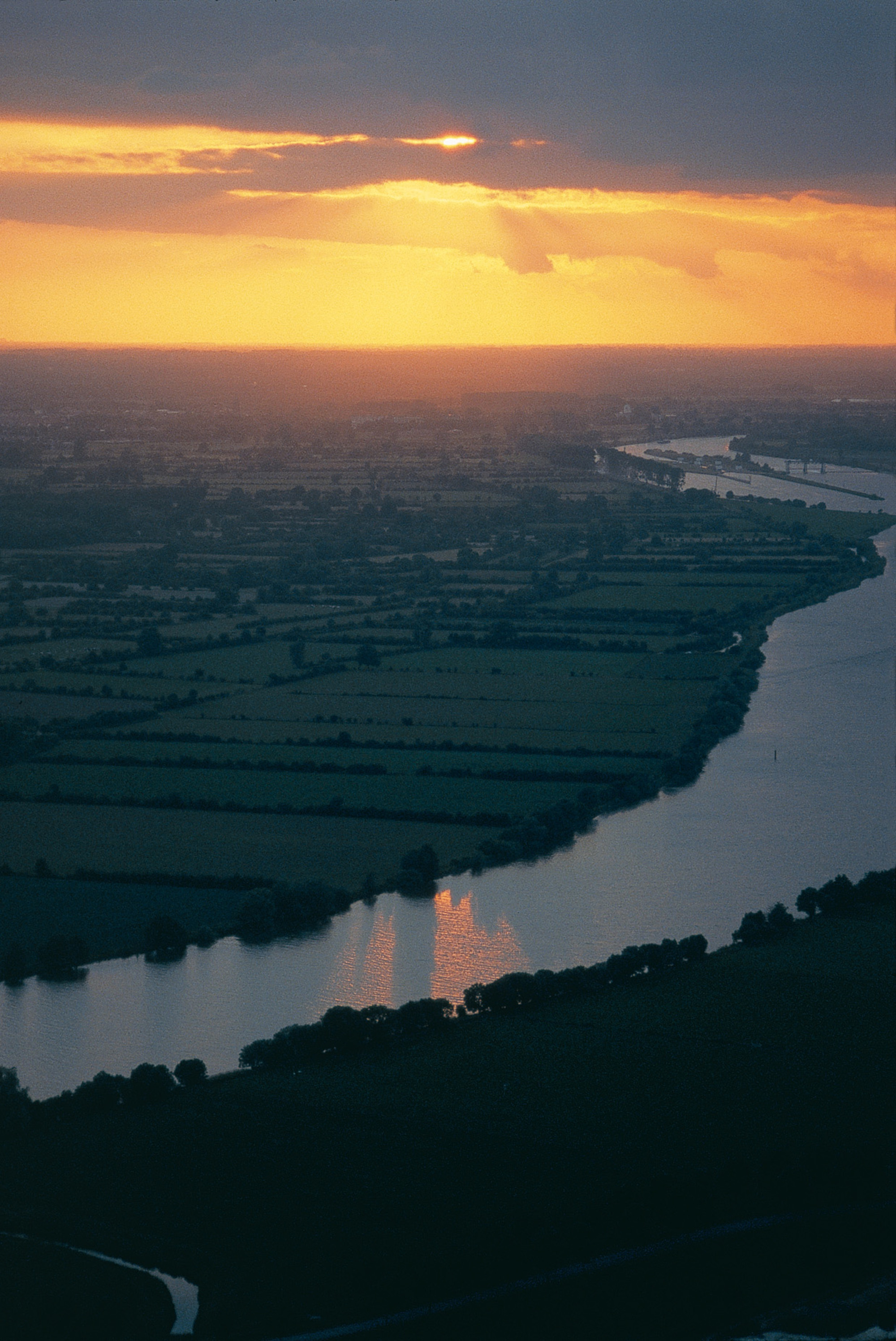
For the Maasheggen, located along the Meuse River, water safety is one of the biggest tasks for the area. The impoundment caused by additional hedges in the Meuse Valley must be compensated by water level lowering measures.
The challenge is to take the necessary measures for water safety, taking into account regional ambitions and the cultural-historical and ecological values in the northern Meuse Valley.